
A Better Tomorrow Starts Tonight
Understanding your sleep is the first step to improving it. Answer a few questions to receive personalized sleep improvement recommendations and begin your journey to better sleep.

Featured in


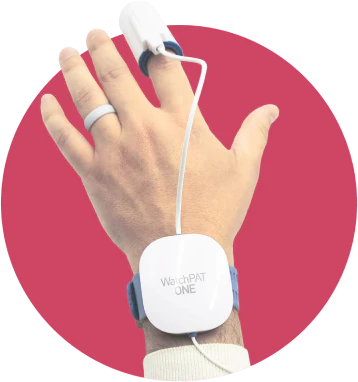


How a Home Sleep Test Works
Video Chat With a Doctor
Talk to a doctor about your sleep needs.
Take the Test at Home
Get results from just one night.
Receive Your Results
Personalized recommendations delivered by professionals.
Get Your Sleep Solution
Find the right treatment options for your sleep issues.
Video Chat With a Doctor
Talk to a doctor about your sleep needs.

We’re With You Every Step of the Way
We help you schedule a brief required telemedicine chat with a board-certified physician to approve your home sleep test.
Get Started
We help you schedule a brief required telemedicine chat with a board-certified physician to approve your home sleep test.
Take the Test at Home
Get results from just one night.

Sleep in your own bed
The easy-to-use device records your breathing patterns and automatically shares results with the doctor all in one night of sleep.
Get Started
The easy-to-use device records your breathing patterns and automatically shares results with the doctor all in one night of sleep.
Receive Your Results
Personalized recommendations delivered by professionals.

Get results in days
After the doctor reviews your sleep data, you receive a personalized sleep report and therapy recommendation if diagnosed.
Get Started
After the doctor reviews your sleep data, you receive a personalized sleep report and therapy recommendation if diagnosed.
Get Your Sleep Solution
Find the right treatment options for your sleep issues.

On your way to better sleep
Depending on your results, we can recommend treatments like a 28-day sleep improvement program or a CPAP machine.
Get Started
Depending on your results, we can recommend treatments like a 28-day sleep improvement program or a CPAP machine.

Find Your New Mattress
BEST MATTRESS OF 2024Best Mattress for Back Pain
See which mattresses score best for back pain – and why.
BEST MATTRESS FOR BACK PAIN
Best for Side Sleepers
These picks balance support and superior pressure relief.
BEST MATTRESS FOR SIDE SLEEPERS
Best for Stomach Sleepers
The best beds prioritize spinal alignment and moderate cushioning.
BEST MATTRESS FOR STOMACH SLEEPERS
Best for Heavy People
Get the firm surface, supportive feel, and strong edge support you need.
BEST MATTRESS FOR HEAVY PEOPLE

Better Sleep in Just 28 Days
Supercharge your sleep with Dr. Breus, the Sleep Doctor.
Program includes:


